HOMEOWNERS
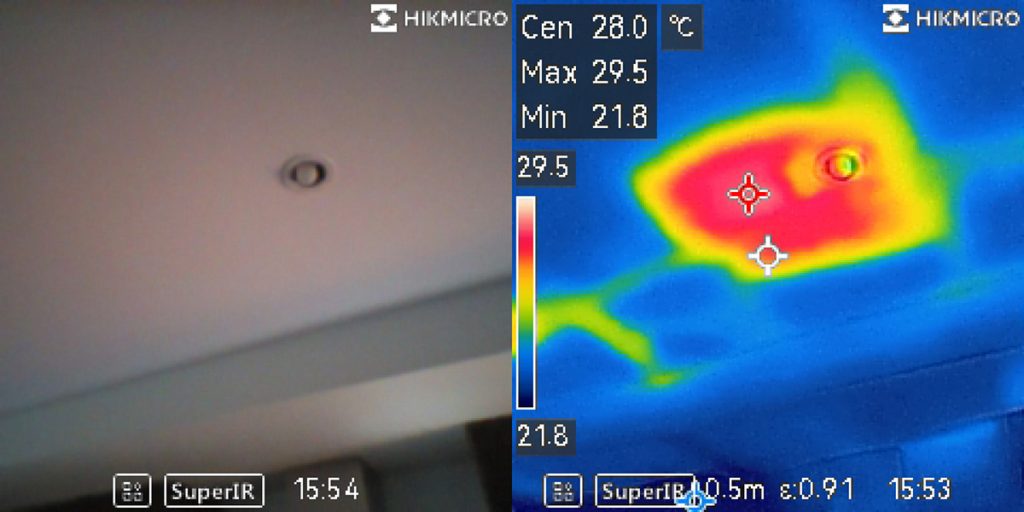
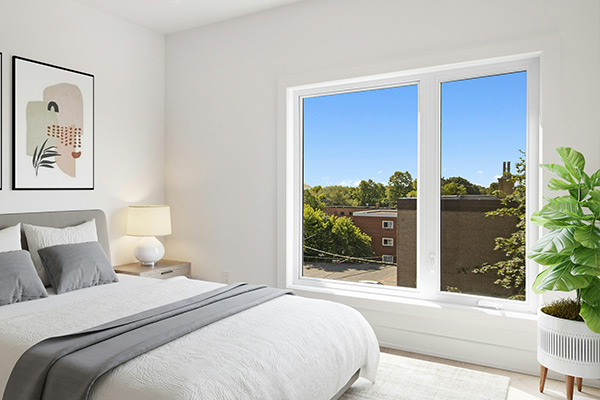
Improving your home’s passive thermal performance means less reliance on heaters and air conditioners, keeping your spaces naturally warmer in winter and cooler in summer.
Sealing air leaks, upgrading insulation, and addressing weak spots like windows and doors reduces drafts, eliminates hot and cold zones, and makes your home consistently more comfortable.
On top of this, you’ll see noticeable savings on energy bills and reduce wear and tear on heating and cooling systems, while also lowering your household’s carbon footprint – a long-term win for both your wallet and the environment.
BUSINESSES
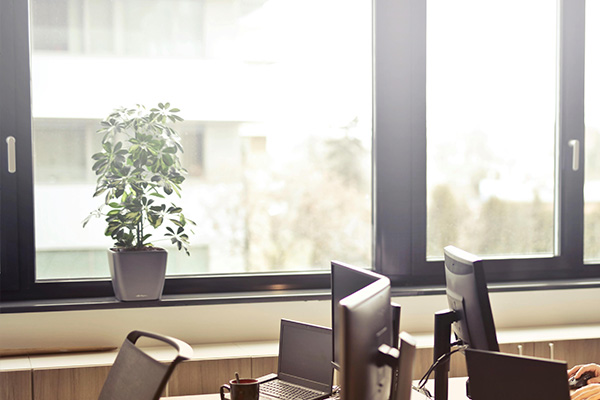
Boosting passive thermal performance translates directly into lower operating costs and a more productive workplace. Offices and commercial spaces with better insulation and reduced air leakage require less energy to maintain comfortable temperatures, easing the strain on HVAC systems and cutting electricity bills – often by 10–30% or more.
Beyond cost savings, it creates a stable indoor climate that enhances staff comfort and well-being, while also demonstrating a commitment to sustainability and energy efficiency – an increasingly important factor for clients, stakeholders, and regulatory compliance.