Most home owners aren’t aware of just how much energy is lost through tiny air leaks. A few millimetres under a door or a non-airtight window frame might not seem relevant – but across the entire home, the effect is accumulative and adds up.
Rising energy bills, uneven indoor temperatures, and rooms that never quite feel comfortable are often signs of hidden air leaks.
Many Australian homes lose a surprising amount of energy through gaps, cracks, and poorly sealed building elements – most of which are invisible to the naked eye.
A professional thermal imaging inspection is one of the most effective ways to uncover exactly where energy is being lost and wasted.
Why Hidden Air Leaks Cost You More Than You Think
Air leakage is one of the biggest contributors to poor passive thermal performance in homes. Warm air escaping in winter – and hot air entering in summer – forces heating and cooling systems to work harder and longer. This leads to higher energy costs, increased wear on HVAC systems, and reduced indoor comfort year-round.
Common problem areas include windows and doors, ceiling penetrations, wall cavities, skirting boards, exhaust fans, and poorly insulated roof spaces. Without specialised equipment, these thermal leaks often go undetected for years.
What Is a Thermal Imaging Inspection?
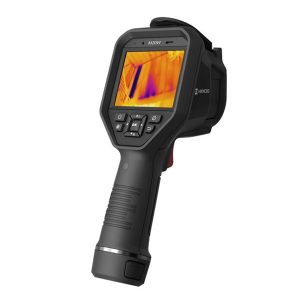
A thermal imaging inspection uses an infrared camera to detect temperature differences across surfaces. These variations reveal where conditioned air is escaping or unwanted external air is entering your home. Thermal cameras visualise heat movement, allowing trained inspectors to pinpoint air leaks, missing insulation, thermal bridges, and construction defects with precision.
Unlike guesswork or generic energy advice, thermal imaging provides clear, visual evidence of problem areas – enabling targeted improvements rather than costly trial and error.
Finding Air Leaks You Can’t See
Professional thermal imaging inspections are particularly effective at identifying:
- Hidden air leaks around windows, doors, and frames
- Gaps in insulation or compressed insulation batts
- Thermal bridging through building materials
- Air movement through ceilings, walls, and floor junctions
- Heat loss caused by poor sealing or ageing construction
These issues often account for a significant portion of household energy waste and are rarely addressed by standard building inspections.
Why Professional-Grade Thermal Imaging Matters
Not all thermal cameras deliver the same results. Industry-grade thermal imaging cameras offer higher resolution, greater thermal sensitivity, and more accurate temperature readings than consumer-grade devices. This level of detail is essential when diagnosing subtle air leaks and thermal inefficiencies in residential buildings.
Using professional equipment allows inspectors to confidently distinguish between normal temperature variation and genuine energy-loss issues – ensuring recommendations are accurate, actionable, and reliable.
The Benefits of Identifying and Fixing Thermal Leaks
Addressing air leaks uncovered through thermal imaging can deliver immediate and long-term benefits, including:
- Lower heating and cooling costs
- More consistent indoor temperatures
- Improved comfort and reduced drafts
- Less strain on heating and cooling systems
- Reduced energy waste and carbon emissions
- Improved overall thermal performance of your home
For many homeowners, sealing air leaks is one of the most cost-effective energy efficiency upgrades available.
When Is the Best Time for a Thermal Imaging Inspection?
Thermal imaging inspections are most effective when there is a noticeable temperature difference between inside and outside – typically during summer heat or winter cold. These conditions make air leakage and thermal defects easier to detect, providing clearer insights into how your home is performing.
However, inspections can be valuable at any time of year, particularly when homeowners notice rising energy bills or comfort issues.
Make Energy Loss Visible – and Fixable
You can’t fix what you can’t see. A professional thermal imaging inspection turns hidden energy loss into clear, visual data, empowering homeowners to make informed decisions that improve comfort and reduce ongoing energy costs.
If you suspect your home is wasting energy through unseen air leaks, thermal imaging is the first step toward a more efficient, comfortable, and cost-effective home.
Gallery
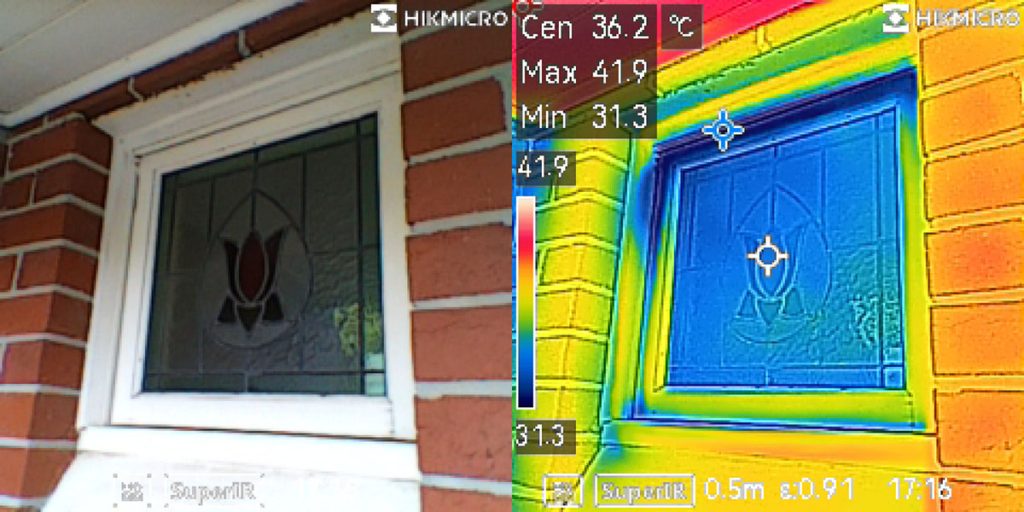
Timber frame window
Traditional timber window frames are especially leaky, even when closed.
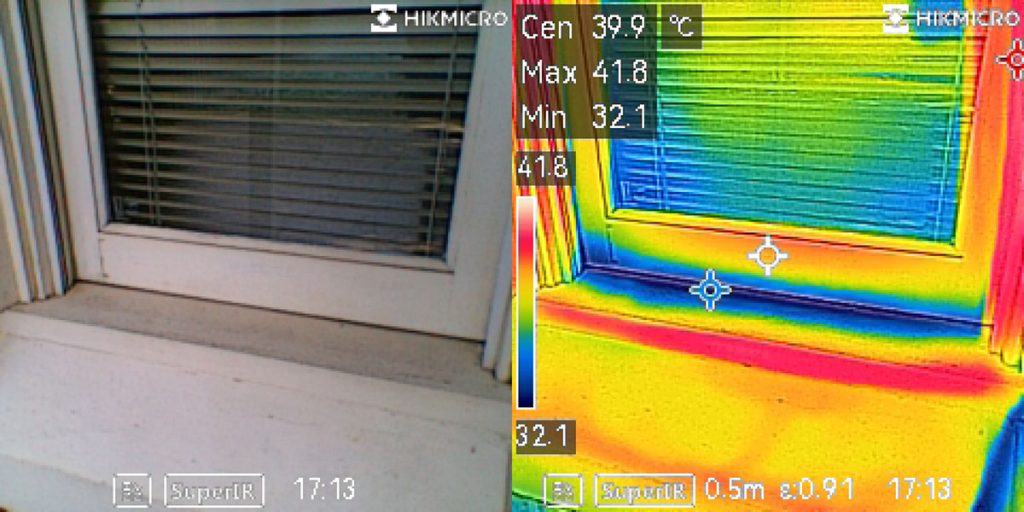
Timber frame window
Traditional timber window frames are especially leaky, even when closed.
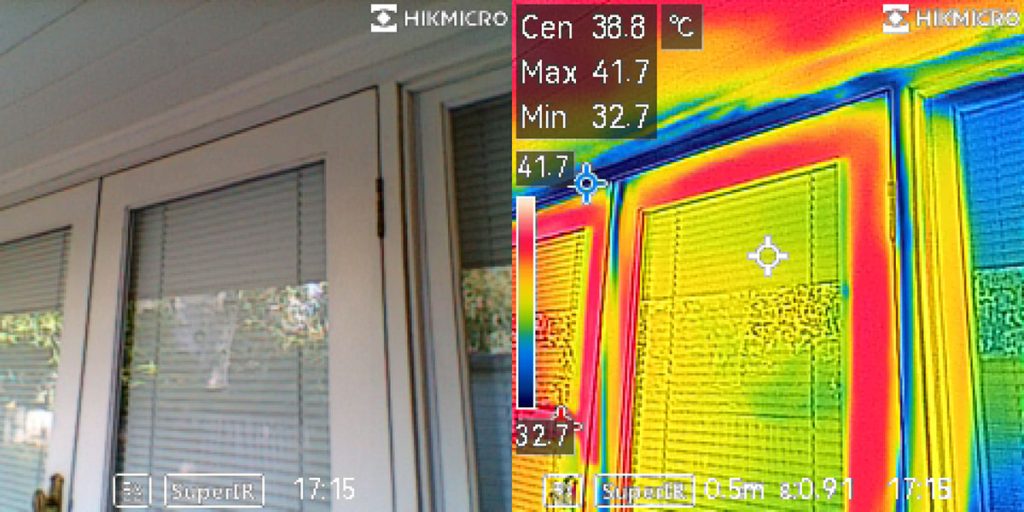
Rear door
Timber doors and door frames tend to leak extensively through minute gaps due to the inconsistent nature wood and a lack of a truly square surface to create a seal.

Front door
Due to the unevenness of timber doors and door frames, a tight seal is often difficult to achieve and results in leaky spots around the door.
Your home should comfortable and efficient to heat and cool while being airtight to help manage allergies.
A thermal imaging inspection can identify temperature leakage caused by air gaps and insulation failures that can go undiscovered for years.
Contact us to book your thermal imaging inspection and stay ahead of the seasons – stay warmer in winter, cooler in summer, and save on energy costs all year round.