If you find yourself sneezing, wheezing, or rubbing itchy eyes every spring – even indoors – your home is not protecting you the way it should.
Many people blame pollen drifting through open windows, but the truth is, air leaks and poor sealing can allow allergens to enter your home even when everything is shut tight.
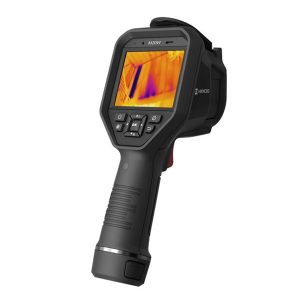
A thermal imaging inspection can reveal where those sneaky drafts are coming from – and help you breathe easier this allergy season.
How air leakage affects allergies
Every building has tiny gaps and cracks – around doors, windows, vents, skirting boards, and even ceiling fixtures. These might seem harmless, but they act like invisible tunnels, letting unfiltered outdoor air flow inside.
The air carries:
- Pollen from trees and grasses
- Dust and fine particles from outside roads or construction
- Pollution and moisture, which can trigger respiratory symptoms
- Mould spores, drawn in by changes in humidity and air pressure
Even a small number of leaks can circulate allergens throughout your home – especially when air-conditioning or ventilation systems pull in outdoor air through those gaps.
Thermal imaging: Finding the entry points
Most leaks are invisible to the naked eye. That’s where thermal imaging technology comes in. By detecting subtle temperature changes on surfaces, a professional thermal inspection pinpoints exactly where air is entering or escaping – whether it’s under doors, around windows, or through ceiling voids.
Once identified, these areas can be sealed or insulated properly, creating a cleaner, more stable indoor environment.
Benefits beyond comfort
Sealing leaks doesn’t just stop pollen and dust from entering – it also helps:
- Reduce humidity that feeds mould and mildew growth
- Improve HVAC efficiency, so your system filters air more effectively
- Lower energy bills, by reducing the amount of conditioned air that escapes
- Stabilise temperature, helping your home feel consistently fresh and balanced
A tighter, better-sealed home means fewer allergens circulating and a noticeable improvement in air quality – a relief for anyone dealing with hay fever, asthma, or seasonal allergies.
Your home should comfortable and efficient to heat and cool while being airtight to help manage allergies.
A thermal imaging inspection can identify temperature leakage caused by air gaps and insulation failures that can go undiscovered for years.
Contact us to book your thermal imaging inspection and stay ahead of the seasons – stay warmer in winter, cooler in summer, and save on energy costs all year round.