INSIGHTS

Stop Wasting Energy: Discover Hidden Air Leaks in Your Home

Most home owners aren’t aware of just how much energy is lost through tiny air leaks. A few millimetres under a door or a non-airtight window frame might not seem relevant – but across the entire home, the effect is accumulative and adds up.

Rising energy bills, uneven indoor temperatures, and rooms that never quite feel comfortable are often signs of hidden air leaks.

Many Australian homes lose a surprising amount of energy through gaps, cracks, and poorly sealed building elements – most of which are invisible to the naked eye.

A professional thermal imaging inspection is one of the most effective ways to uncover exactly where energy is being lost and wasted.

Why Hidden Air Leaks Cost You More Than You Think

Air leakage is one of the biggest contributors to poor passive thermal performance in homes. Warm air escaping in winter – and hot air entering in summer – forces heating and cooling systems to work harder and longer. This leads to higher energy costs, increased wear on HVAC systems, and reduced indoor comfort year-round.

Common problem areas include windows and doors, ceiling penetrations, wall cavities, skirting boards, exhaust fans, and poorly insulated roof spaces. Without specialised equipment, these thermal leaks often go undetected for years.

What Is a Thermal Imaging Inspection?

A thermal imaging inspection uses an infrared camera to detect temperature differences across surfaces. These variations reveal where conditioned air is escaping or unwanted external air is entering your home. Thermal cameras visualise heat movement, allowing trained inspectors to pinpoint air leaks, missing insulation, thermal bridges, and construction defects with precision.

Unlike guesswork or generic energy advice, thermal imaging provides clear, visual evidence of problem areas – enabling targeted improvements rather than costly trial and error.

Finding Air Leaks You Can’t See

Professional thermal imaging inspections are particularly effective at identifying:

  • Hidden air leaks around windows, doors, and frames
  • Gaps in insulation or compressed insulation batts
  • Thermal bridging through building materials
  • Air movement through ceilings, walls, and floor junctions
  • Heat loss caused by poor sealing or ageing construction

These issues often account for a significant portion of household energy waste and are rarely addressed by standard building inspections.

Why Professional-Grade Thermal Imaging Matters

Not all thermal cameras deliver the same results. Industry-grade thermal imaging cameras offer higher resolution, greater thermal sensitivity, and more accurate temperature readings than consumer-grade devices. This level of detail is essential when diagnosing subtle air leaks and thermal inefficiencies in residential buildings.

Using professional equipment allows inspectors to confidently distinguish between normal temperature variation and genuine energy-loss issues – ensuring recommendations are accurate, actionable, and reliable.

The Benefits of Identifying and Fixing Thermal Leaks

Addressing air leaks uncovered through thermal imaging can deliver immediate and long-term benefits, including:

  • Lower heating and cooling costs
  • More consistent indoor temperatures
  • Improved comfort and reduced drafts
  • Less strain on heating and cooling systems
  • Reduced energy waste and carbon emissions
  • Improved overall thermal performance of your home

For many homeowners, sealing air leaks is one of the most cost-effective energy efficiency upgrades available.

When Is the Best Time for a Thermal Imaging Inspection?

Thermal imaging inspections are most effective when there is a noticeable temperature difference between inside and outside – typically during summer heat or winter cold. These conditions make air leakage and thermal defects easier to detect, providing clearer insights into how your home is performing.

However, inspections can be valuable at any time of year, particularly when homeowners notice rising energy bills or comfort issues.

Make Energy Loss Visible – and Fixable

You can’t fix what you can’t see. A professional thermal imaging inspection turns hidden energy loss into clear, visual data, empowering homeowners to make informed decisions that improve comfort and reduce ongoing energy costs.

If you suspect your home is wasting energy through unseen air leaks, thermal imaging is the first step toward a more efficient, comfortable, and cost-effective home.

Gallery
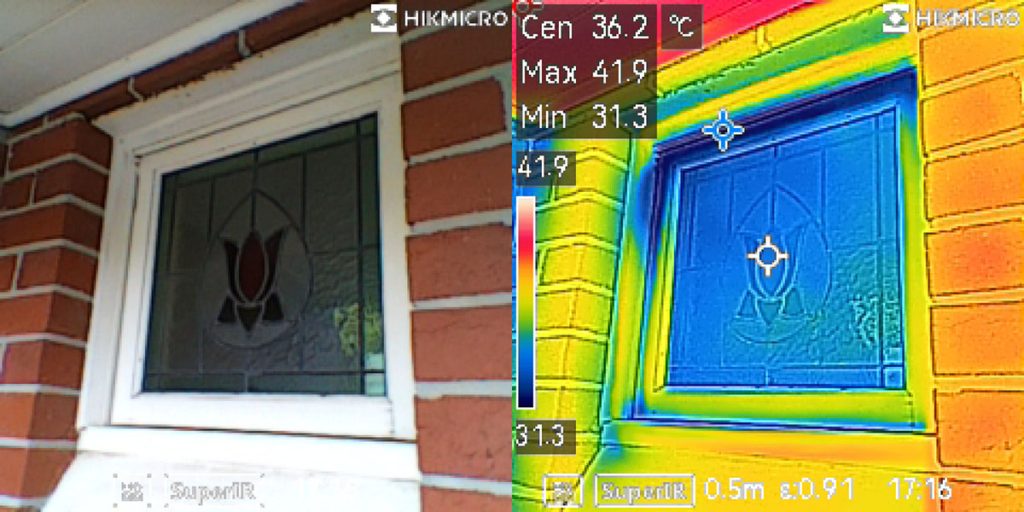
draftguard window thermal image 001

Timber frame window

Traditional timber window frames are especially leaky, even when closed.
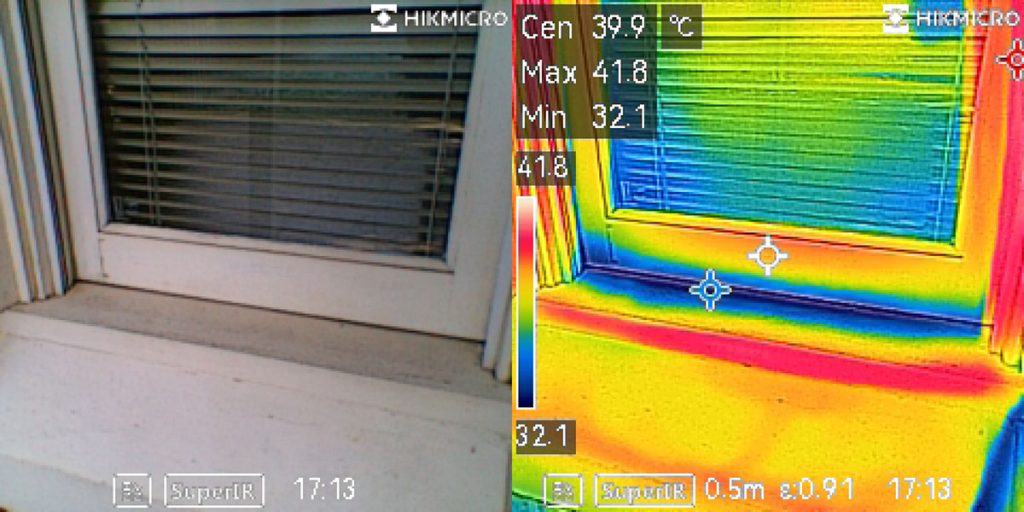
draftguard window thermal image 003

Timber frame window

Traditional timber window frames are especially leaky, even when closed.
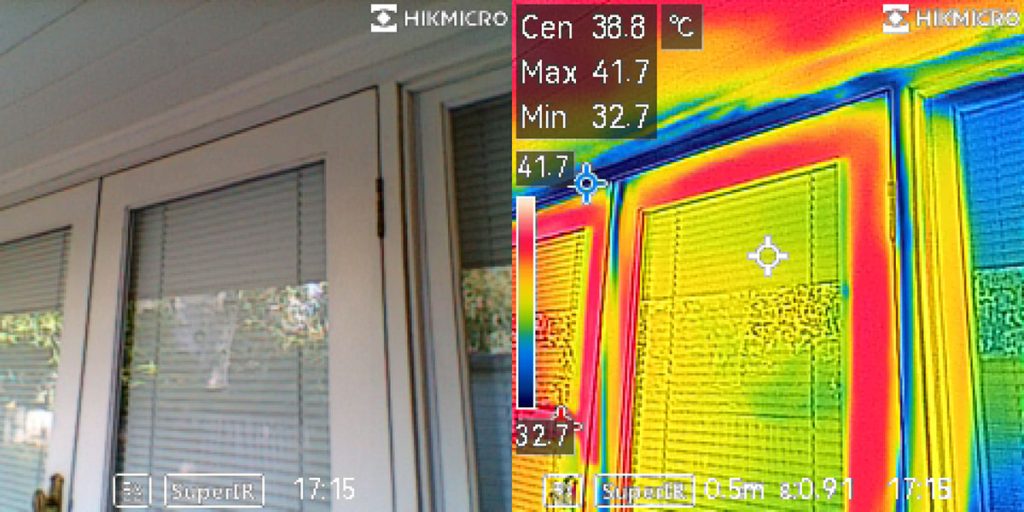
draftguard back door thermal image 001

Rear door

Timber doors and door frames tend to leak extensively through minute gaps due to the inconsistent nature wood and a lack of a truly square surface to create a seal.

draftguard front door thermal image 002

Front door

Due to the unevenness of timber doors and door frames, a tight seal is often difficult to achieve and results in leaky spots around the door.

Why an inspection matters

Your home should comfortable and efficient to heat and cool while being airtight to help manage allergies.

A thermal imaging inspection can identify temperature leakage caused by air gaps and insulation failures that can go undiscovered for years.

Contact us to book your thermal imaging inspection and stay ahead of the seasons – stay warmer in winter, cooler in summer, and save on energy costs all year round.

DRAFTGUARD

Our mission

At DraftGuard, we help homeowners see what the eye can’t. Using advanced thermal imaging cameras, we detect hidden air leaks, missing insulation, and other thermal issues that are reducing the comfort of your home while driving up your energy usage and bills.

AT A GLANCE

Thermal imaging leak detection

At DraftGuard, we help homeowners see what the eye can’t. Using advanced thermal imaging cameras, we detect hidden air leaks, missing insulation, and other thermal issues that reduce comfort and drive up energy costs.

Most homes lose far more energy than their owners realise — in fact, studies show that up to 25–30% of a home’s heating and cooling can be lost through gaps, cracks, and poor insulation. That means higher bills, harder-working heating and cooling systems, and a home that never feels quite right.

We believe in giving homeowners clear, actionable insights so they can make simple improvements that add up to big savings and a more comfortable home.

ADVANCED THERMAL IMAGING TECHNOLOGY

Detection and diagnostic equipment

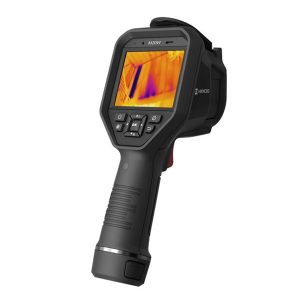
draftguard image hikmicro 0001
Not all thermal cameras are created equal. Inexpensive consumer models often have very low resolution (as little as 80×60 pixels) and poor thermal sensitivity, meaning they only show rough “hot and cold blobs” with little diagnostic value. Temperature readings can also be inaccurate by several degrees – enough to miss or misinterpret real thermal leaks.

We exclusively use the HIKMICRO™ M Series professional thermal cameras, built specifically for assessing and inspecting building diagnostics. Featuring much higher resolution and NETD sensitivity along with more precise temperature accuracy (within ±2 °C or 2%), our professional, industrial-grade thermal cameras reveal fine details like thin air gaps, degraded or missing insulation, or duct leaks that cheaper cameras simply can’t resolve.

This allows us to identify and prioritise issues with confidence rather than guesswork. Beyond clarity and accuracy, the M Series offers advanced tools: multi-spot temperature measurement, isotherm alarms, and onboard reporting. Combined with our AI analysis, this means we don’t just hand you blurry thermal images — we deliver precise, annotated reports that quantify energy loss and prove improvements after fixes.

By choosing DraftGuard, you are accessing industrial-grade accuracy and reporting rather than vague, unreliable snapshots. This helps ensure every leak is found, every recommendation is backed by data, and every dollar you spend on passive thermal improvements to your home is targeted where it counts.

THE INSPECTION PROCESS

What an inspection looks like

Step 1: Inspection

A DraftGuard technician inspects your home for thermal leakage – this includes detailed thermal imaging of common vulnerabilities such as windows, doors and ventilation outlets, as well as scanning for wall and ceiling insulation issues.
Our pre-inspection checks ensure any specific concerns a home owner has are captured and prioritised during the inspection.

Step 2: Reporting

We provide clear and easy-to-understand reports featuring thermal images taken during the inspection which reveal issues unable to be seen without the technology.
Comprehensive diagnosis with descriptions of each fault are included, with interpretation and annotation included with each image captured during the inspection.

Step 3: Actionable solutions

A DraftGuard report lists recommendations of actions for each identified issue that can be carried out by the home owner themselves.
These DIY upgrades are simple to carry out, with cost-effective and readily available materials, ruling out any need to hire expensive labour, leading to substantially increased future savings.

Products
Patents
K
Employees
Countries
DRAFTGUARD

Thermal imaging leak detection

Mattis tristique tincidunt scelerisque neque felis non sed sed dignissim sit ornare fermentum velit amet mauris eget dui scelerisque augue cum tellus aliquet donec leo, euismod id mattis eu, tortor sit eget commodo egestas tincidunt tortor justo, porta pulvinar at.

Therapeutic Areas of Focus

Neurology and Oncology

Odio vel in nunc aenean dignissim dignissim mattis elementum id sed senectus laoreet blandit faucibus vitae quam aliquam nibh lacus, rhoncus massa placerat urna.

Mattis tristique tincidunt scelerisque neque felis non sed sed dignissim sit ornare fermentum velit amet mauris eget dui scelerisque augue cum tellus aliquet donec leo, euismod id mattis eu, tortor sit eget commodo egestas tincidunt tortor justo, porta pulvinar at.

Thermal IMAGING INSPECTION

It’s time to start saving on energy costs.

An air leak or insulation issue can significantly impact your energy usage and costs to heat and cool your property.

A DraftGuard thermal imaging inspection is a quick and cost-effective starting point to making impactful improvements to your home or office’s thermal performance.

draftguard header logo 02

If you suspect a leak or experience part of the home always being hot in summer and cold in winter, book a DraftGuard inspection and utilise latest-technology thermal imaging to pinpoint exactly where the thermal weaknesses are.

The sooner a weakness can be identified, the sooner it can be rectified and your energy bills lowered.